


- Travel Styles
- Our Destinations
- Experiences
- General

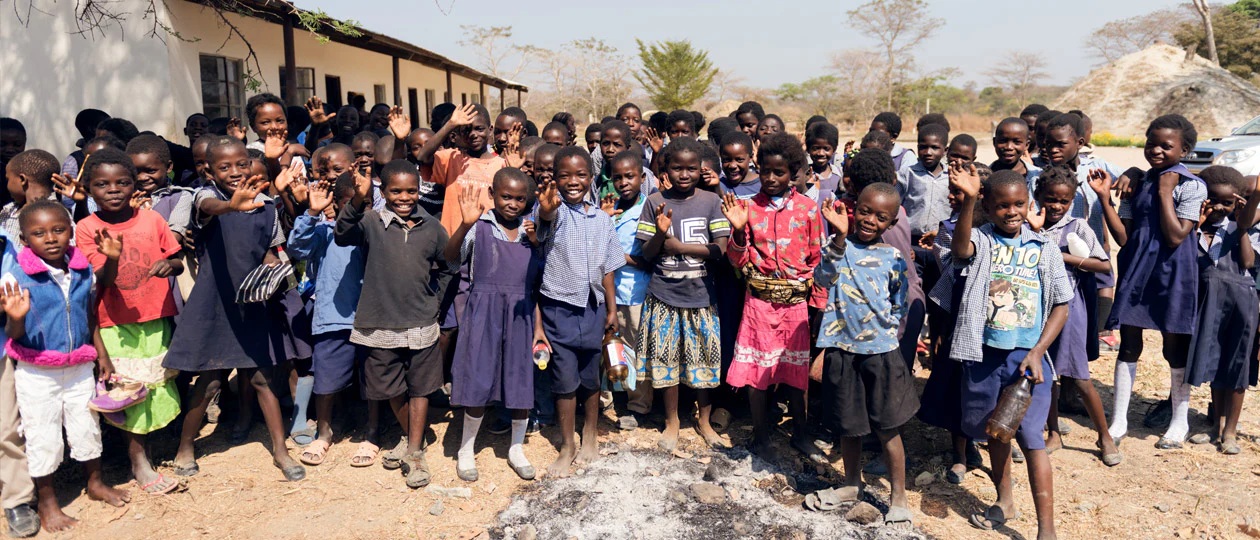
Trees Of Knowledge
Trees Of Knowledge project is deeply rooted in the multifaceted challenges faced by underprivileged communities, particularly in the realm of education and environmental sustainability. The project emerges as a response to pressing issues that intersect within marginalized areas, recognizing the urgent need for a holistic approach to community development.
Education Inequality
In numerous underserved communities, access to quality education remains a significant barrier, perpetuating cycles of limited opportunities and hampering the potential of deserving students. Financial constraints often force talented individuals to forego educational opportunities, leading to a perpetuation of poverty and hindering overall community development. The project addresses this educational inequality by providing comprehensive financial assistance for tuition, textbooks, uniforms, and other educational necessities. By breaking down these financial barriers, the initiative aims to empower students economically and socially, offering a transformative trajectory towards long-term prosperity.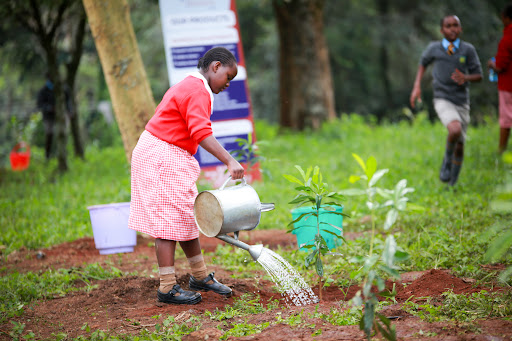
Environmental Degradation
Simultaneously, the project acknowledges the critical importance of environmental stewardship in an era marked by climate change and ecological degradation. The inclusion of tree planting and environmental education within the project is a strategic response to the environmental challenges faced by communities. Establishing tree nurseries in partner schools serves as a proactive step towards enhancing local biodiversity, fostering ecological balance, and instilling a sense of environmental responsibility among students, parents, and the broader community.Environmental Degradation
The historical context of the project lies in recognizing that the impact of development initiatives is often limited without active participation. Traditional approaches that address either educational or environmental challenges in isolation are critiqued for their inability to create lasting change. The Trees Of Knowledge project adopts a community- centric approach, engaging with schools, parents, and local stakeholders to create a collaborative environment where everyone plays an active role in fostering educational and environmental well-being.Founding Story of Isaac Okumu
The historical narrative of the project is anchored in the founding story of Isaac Okumu from Buyofu Village in Nambale, Busia County. Inspired by the harmony between education and nature, Isaac envisioned a project that would not only provide scholarships but also cultivate a sense of responsibility towards the environment. His vision, extending beyond the classroom, involved establishing tree nurseries within schools, symbolizing growth, hope, and a commitment to the environment. Isaac’s founding story became a beacon of inspiration, rallying like-minded individuals, local authorities, and environmentalists around the cause. Thus, the project was born – a holistic initiative empowering students through education while fostering a deep connection to the environment. In summary, this project is necessary to address the intertwined challenges of educational inequality and environmental degradation faced by underprivileged communities. By adopting a community- centric and holistic approach, the initiative strives to create a sustainable future where education and environmental stewardship converge, creating empowered individuals and thriving communities. The historical context is deeply embedded in the recognition of these challenges and the visionaries, like Isaac Okumu, who sought to address them through innovative and integrated solutions.Founding Story
In the quaint village of Buyofu, nestled amid the picturesque hills of Nambale in Busia County, a transformative story unfolded, centered around a young boy named Isaac Okumu. The visionary behind this tale was none other than Isaac Okumu, a passionate educator with a heart dedicated to breaking down barriers for underprivileged students. One sunny afternoon, as the students engaged in their studies beneath the sprawling branches of an old oak tree, Isaac found himself inspired by the harmonious coexistence of education and nature. The rustle of leaves became a backdrop to the pursuit of knowledge, and the gentle breeze seemed to whisper a call to action.In that moment, Isaac conceived a powerful vision – a project that would not only offer scholarships to deserving students but also cultivate a profound sense of responsibility towards the world they inhabit. Isaac’s motivation was deeply rooted in the challenges faced by his community. Witnessing the financial constraints that hindered talented students from accessing quality education, he recognized the need for a transformative solution. Simultaneously, Isaac was acutely aware of the environmental degradation unfolding around him. The changing climate and ecological imbalance became urgent concerns that demanded attention.
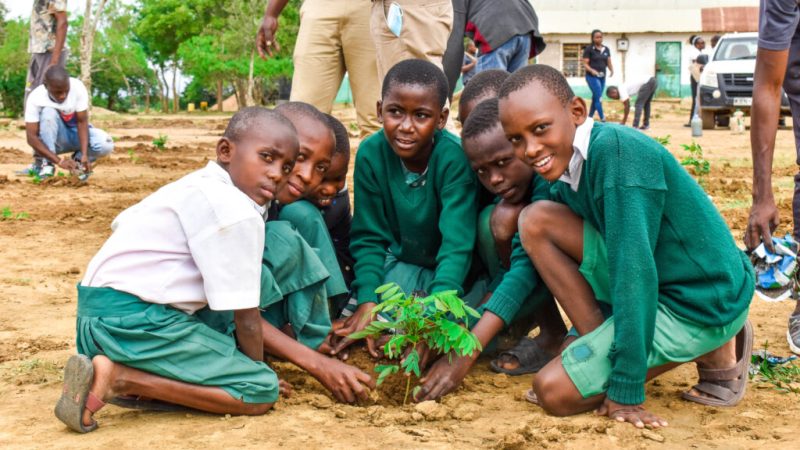
The heart of Isaac’s vision lay in the integration of education and environmental sustainability. He envisioned establishing tree nurseries within schools, not merely as a symbolic gesture but as living classrooms symbolizing growth, hope, and a commitment to the environment. Students, like young Isaac Okumu from Buyofu Village, would not only receive an education but actively participate in nurturing life by caring for the young saplings. Isaac’s vision extended beyond the classroom, foreseeing parents joining hands with their children, collectively caring for the saplings that mirrored the aspirations of their community. As the idea took shape, Isaac approached like-minded colleagues, local authorities, and environmentalists.
The response was overwhelming, and a diverse group of educators, environmentalists, and community leaders rallied around the cause. Thus, the project was born – a holistic initiative empowering students through education while fostering a deep connection to the environment. Isaac Okumu, with dreams as vast as the rolling hills surrounding Buyofu, became a symbol of the project’s success. The first tree nursery was established in his school, signifying the commencement of a journey toward a greener and more equitable future. The project gained momentum, drawing support from local businesses, government agencies, and enthusiastic individuals eager to contribute to positive change. Isaac’s founding story became a beacon of inspiration for the community, recounting the moment under the old oak tree where the idea took root and how it grew into a thriving initiative.
Today, the project stands as a testament to the power of a simple idea nurtured with passion and determination. As Isaac Okumu and his fellow scholarship recipients graduate with well-rounded educations and each tree planted thrives in its new home, the founding story continues to inspire. It serves as a reminder that change begins with a seed – a seed of knowledge, a seed of hope, and a seed of lasting transformation, echoing through the hills of Buyofu and beyond.
 Vision
Empowering futures through education and environmental sustainability, creating a harmonious and thriving community.
Mission
To provide comprehensive educational support to needy students while fostering environmental stewardship and community involvement.
Our Core Values
– Equity: Ensuring equal access to education and environmental opportunities for all.– Sustainability: Promoting practices that contribute to the long-term well-being of both individuals and the environment.
– Community: Fostering a sense of belonging and collective responsibility within the community.
– Integrity: Upholding transparency, honesty, and ethical conduct in all project activities.
Our Principles
– Holistic Development: Prioritizing both academic and environmental aspects for comprehensive community growth.– Collaboration: Engaging stakeholders, including schools, students, parents, and the community, in the project’s development.
– Adaptability: Being responsive to the evolving needs of students, the community, and the environment.
Our Objectives
1. Provide financial assistance for tuition, textbooks, and other educational necessities to needy students.2. Establish and maintain tree nurseries in partner schools for biodiversity enhancement and environmental education.
3. Integrate environmental education into the school curriculum to raise awareness and foster responsible environmental practices.
4. Engage parents in the cultivation and care of trees, promoting a sense of ownership and environmental responsibility.
5. Organize regular tree planting events in public spaces, involving scholarship
recipients, parents, and community members.
6. Implement a monitoring system to track academic progress and the growth of planted trees, ensuring project effectiveness.

How It Works - Action Plan: Empowering Futures, Greening Communities
1. Identify Partner Schools
Collaborate with secondary and college institutions willing to support the dual initiative of education and environmental sustainability.2. Student Selection
Implement a transparent and merit-based selection process for identifying students in need of financial assistance.3. Financial Support
– Allocate funds for tuition fees, textbooks, uniforms, and other educational necessities.– Establish a scholarship fund to ensure a long-term commitment to each student’s education.
4. Tree Nursery Establishment
– Work with partner schools to set up tree nurseries within their premises.– Provide necessary resources such as seeds, soil, pots, and training for the staff and students involved in the nursery.
5. Curriculum Integration
– Incorporate environmental education modules into the school curriculum,emphasizing the importance of tree planting and conservation.6. Parental Involvement
– Distribute free tree seeds to parents of scholarship recipients.– Organize workshops and training sessions for parents on tree cultivation and care.
7. Community Planting Events
– Collaborate with local communities to organize tree planting events in public spaces such as hospitals, schools, and government land.– Engage scholarship recipients, parents, and community members in active participation during these events.
8. School Planting Events
– Conduct regular tree planting events within the school premises involving students, teachers, and other school staff.– Integrate these events into the academic calendar, making them a part of the school’s culture and environmental awareness efforts.
9. Maintenance and Follow-up
– Establish a post-planting care plan, involving students, parents, and community members in ongoing tree care activities.– Conduct periodic workshops and training sessions to ensure the sustainability of the planted trees and foster a sense of responsibility.
10. Monitoring and Evaluation
– Implement a comprehensive monitoring system to track both academic progress and the health of planted trees.– Regularly assess the impact of the program on educational outcomes, community engagement, and environmental sustainability.
This step-by-step breakdown ensures a systematic and integrated approach, engaging schools, students, parents, and the broader community in fostering both educational and environmental well-being.
 Vision
Empowering futures through education and environmental sustainability, creating a harmonious and thriving community.
Mission
To provide comprehensive educational support to needy students while fostering environmental stewardship and community involvement.
Our Core Values
– Equity: Ensuring equal access to education and environmental opportunities for all.– Sustainability: Promoting practices that contribute to the long-term well-being of both individuals and the environment.
– Community: Fostering a sense of belonging and collective responsibility within the community.
– Integrity: Upholding transparency, honesty, and ethical conduct in all project activities.
Our Principles
– Holistic Development: Prioritizing both academic and environmental aspects for comprehensive community growth.– Collaboration: Engaging stakeholders, including schools, students, parents, and the community, in the project’s development.
– Adaptability: Being responsive to the evolving needs of students, the community, and the environment.

Our Objectives
1. Provide financial assistance for tuition, textbooks, and other educational necessities to needy students.2. Establish and maintain tree nurseries in partner schools for biodiversity enhancement and environmental education.
3. Integrate environmental education into the school curriculum to raise awareness and foster responsible environmental practices.
4. Engage parents in the cultivation and care of trees, promoting a sense of ownership and environmental responsibility.
5. Organize regular tree planting events in public spaces, involving scholarship
recipients, parents, and community members.
6. Implement a monitoring system to track academic progress and the growth of planted trees, ensuring project effectiveness.
Why work with Royal private Safaris?
-
![]()
We deliver on all our promises. No hidden costs, no compromises, No last minute surprises.
-
![]()
Royal Private Safaris has a reputation for delivering exceptional service with a trust record with local suppliers and other travel partners.
-
![]()
We strive and respond to all enquiries and client's queries within a 24-hour window period.